
Tickets
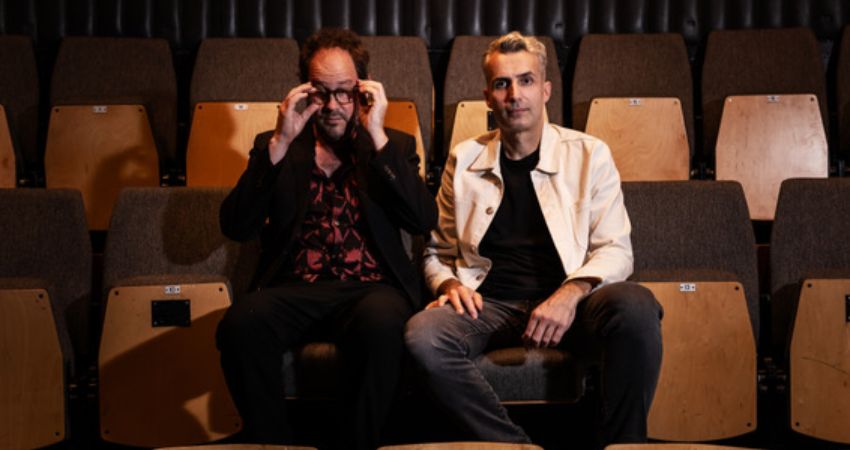
The Art of Listening with Richard Gonski
A free talk by the conductor of Tobay Symphony Orchestra about how to listen to live music (donations welcome)
Presented by: Ashburton Arts Centre
| 0 | ASHBURTON: Arts Centre (info) |
|---|---|
| P | Saturday 17th October, 2026 |
| N | Door time: 10:30am, start time: 11:00am |
| . | All ages |
| C | Music - General |
Event information
Admission is free – though if you'd like to make a donation, you can do so here, or at the venue on the day.
Here's what Richard has to say about it:
How to Listen
Most of the listening any of us do happens in the background. Music plays while we cook, commute, work, or scroll, and it fits neatly around whatever else is actually holding our attention. There's nothing wrong with that, it's most of how music lives in an ordinary life. But it's a fundamentally different activity from foreground listening, giving a sound your full, undivided attention while it's actually happening. Almost everything this course goes on to teach, colour, melody, harmony, structure, depends on that second kind of attention, and most of us have simply never been taught how to practise it.
The reason foreground listening feels difficult isn't a personal failing. Human attention evolved to notice change and then move on, an efficient survival strategy, and almost everything about modern life reinforces exactly that pattern: notifications, multitasking, constant low-grade partial focus spread across several things at once. Sustained, undivided attention to a single sound has become a skill that requires deliberate practice, because nothing about a typical day encourages it by accident anymore.
Presence, in this context, isn't a mystical or especially rarefied state. It simply means attention that stays with a sound as it changes, moment to moment, rather than drifting off to a passing thought, an unrelated task, or a quick judgement about whether the sound is any good. Crucially, the mind will wander regardless, that's normal, universal, and happens even to highly experienced musicians. The actual skill being built isn't preventing wandering altogether, which isn't realistic for anyone, it's noticing the drift reasonably quickly and gently bringing attention back, as many times as it takes within a single piece.
The body plays a real part in this too. A slouched, tense posture tends to produce scattered, restless attention, while a settled, upright but relaxed body genuinely supports sustained focus. Breath matters similarly: a few slower breaths before listening, or a brief pause of stillness, signal to the nervous system that something different from ordinary background noise is about to happen.
In practice, a handful of simple techniques make foreground listening dramatically easier to sustain. Removing competing attention before starting, phone in another room, notifications off, is far more effective than trying to resist distraction once it has already begun. A short, consistent settling ritual before pressing play, even just a few breaths or five seconds of silence, marks the shift in a way the mind readily picks up on. Having a simple anchor to return to when attention drifts, the breath, a bodily sensation, or the plain question of what is actually being heard right now, gives wandering attention somewhere concrete to come back to. Trying to notice a sound before immediately judging whether it's liked or disliked slows down a very fast, automatic reaction and often reveals far more detail underneath it. And allowing a few seconds of genuine stillness after a piece ends, rather than rushing to talk, move, or check a phone, lets the listening experience actually settle rather than being cut off at the moment it finishes.
None of this requires natural talent, musical training, or any particular temperament. It requires only repetition: five or ten minutes of genuinely present listening, most days, builds this skill steadily and noticeably over just a few weeks. Every other lens in this course, sound, colour, melody, harmony, structure, becomes far more available once this foundation is in place, because none of them can be heard by a mind that isn't actually there to hear them.
Ashburton Arts Centre
Always three prices – please pay what you can. Pay less, come to more! See https://ashburtonarts.org.uk/access-booking-tickets-parking-finding-us/ for more about why there are three ticket prices, plus other useful info about coming to events at Ashburton Arts Centre.
Level access from street – please contact us on boxoffice@ashburtonarts.org.uk if a wheelchair space is needed, or if you have any other special requirements.
Venue information
Ashburton: Arts Centre| 0 | 15 West St Ashburton TQ13 7DT |
|---|---|
| > | www.ashburtonarts.org.uk |
| ! | 01364 652781 |
| ` | Flat access from street. All who can, park in Town Hall Car Park, very close by. |